I am writing this on the last day I will ever be nineteen. I expected that sentence to feel more dramatic. The day itself does not. It is quiet. There is no clean ending to the year—only me, still becoming the person I imagined, trying to notice what changed before I rush towards whatever comes next.
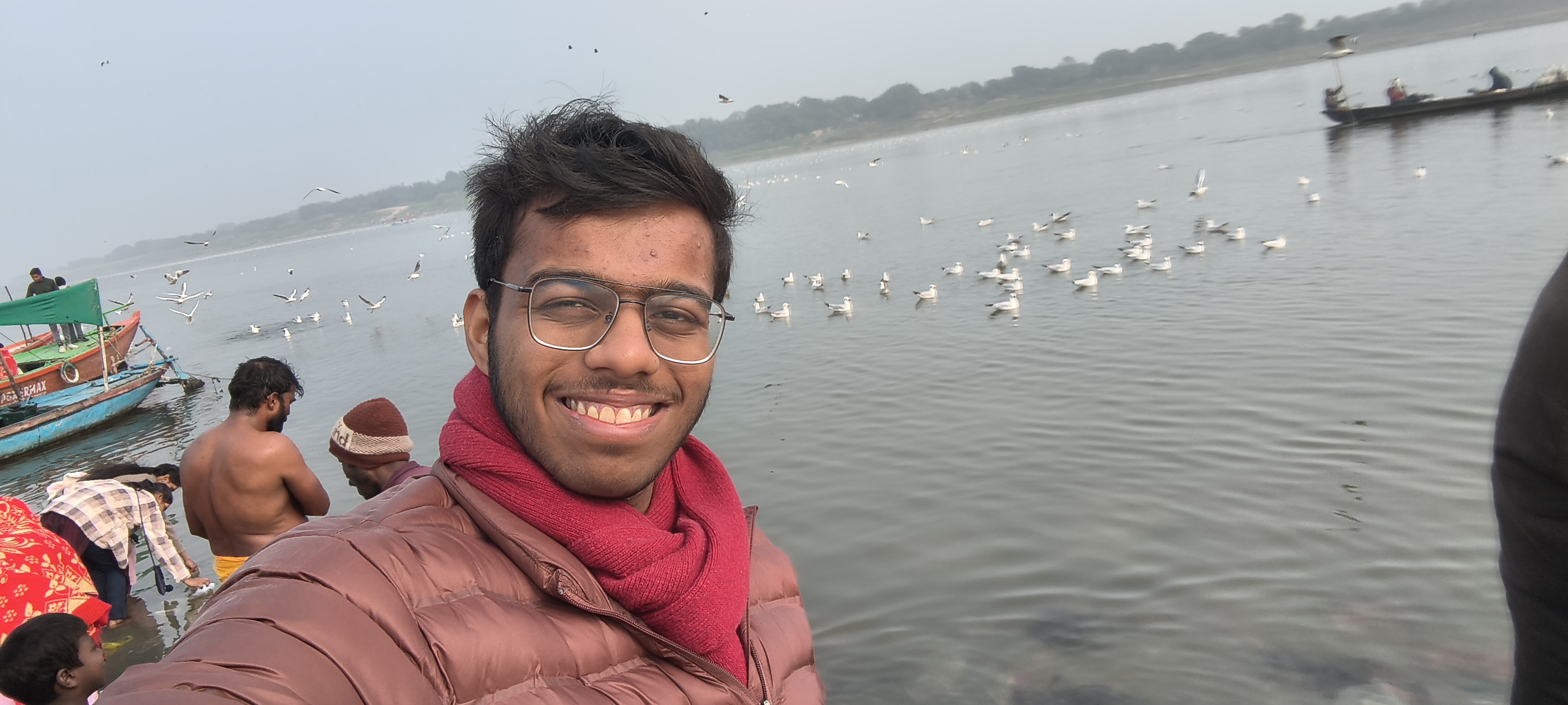
This was a beautiful year. I have never felt as empowered as I did at nineteen. Not because everything went well, or because I suddenly became disciplined and certain, but because I discovered that I could make things real. An idea did not have to remain an idea. I could open a terminal, ask questions, build something, break it, fix it and let another person use it.
I also left home, hated hostel life for a while, missed people more than I expected, spent ordinary months in lectures and examinations, and learned how quickly ambition can make the present disappear. Some of the year was exciting. Much of it was messy and unfinished. I do not want to polish nineteen into an achievement list. I want to remember it honestly: what it gave me, what it exposed, and what I should carry into twenty.
The place I understood only after leaving#
For most of my life, home was simply there. A roof over my head. My family around me. The freedom to relax, to procrastinate, to work in my own way, and to know that I was surrounded by people who genuinely cherished me.
People often describe comfort as the enemy of growth. They say you must leave home because discomfort makes you stronger. Maybe that is true for them. I like comfort. At the end of all this ambition, most of us are still trying to create a life in which we feel safe, free and at peace.
The problem was not that home made me comfortable. The problem was that I did not fully understand its value while it was always available. You rarely understand the significance of something until it is no longer part of your everyday life.
Home, for me, is not a building. Home is people and freedom.
It is anywhere I have people who care about me and enough space to be myself. I am lucky in that part of life. Leaving did not make me reject comfort; it made me grateful for the people who created it.
The younger version of me did not misunderstand home as much as he misunderstood time. I kept giving myself ultimatums: do certain things by a certain age, follow a strict timeline, or you will fail. I could run on adrenaline, exhaust myself, and then look straight past the life I was actually living. Ambition made the future feel urgent and the present feel like a waiting room. I do not want to carry that habit into twenty.
Leaving home was not cinematic#
If I polished this memory too much, I would lie. My first weeks in the hostel were horrible. It was not what I wanted, and I spent a lot of time hating almost everything about it. Eventually, I had to stop arguing with reality, become more grateful, and work on the parts of my life that I could actually change.
Independence did not arrive as one inspiring moment. It arrived as an unfamiliar room, mess food, schedules, forms, lectures and the knowledge that the ordinary parts of my day were now mine to manage. I am still not sure I would call it complete independence. I was not living the life I imagined for myself. But living away taught me basic things that comfort had hidden from me.
The biggest lesson was that nobody owes me anything. My parents and family do things for me because they love me, not because the world is required to make my life easy. That does not mean I am completely on my own. It means care is a gift, not an entitlement. If someone does something kind for me, I should notice it. I should thank them. I should be kinder in return. Being nice is free.
I also learned something uncomfortable about myself: I do not handle being alone as well as I sometimes pretend. I do not need tens of people around me, but I do need a small circle—two, three or four people—with shared understanding, affection and care. Independence should not require pretending that I do not need anybody.
The ordinary months were doing more than I realised#
Most of the year did not look like a breakthrough. It looked like notes, classroom boards, meals, examinations, the same buildings, the same windows and the same sky. The photographs from those months are full of the moon, clouds and sunsets. I think I kept photographing them because nature felt like one of the few constants in a world that was changing quickly.
Human life may be the clearest explanation of compounding. Compare two photographs taken a year apart and the difference can look dramatic. Live through the days between them and it does not feel dramatic at all. Every small action appears almost meaningless while you are doing it. Then a week, a month or a year passes, and those actions have quietly become a direction.
“Show up every day” sounds good. The harder question is what will make me show up after motivation disappears, when the work stops feeling new and nobody is watching.
Family did not disappear when ambition arrived#
The year kept moving away from home and back towards it: Diwali, temple visits, family journeys, celebrations, children, food and ordinary evenings. When I am home and see everyone happy and satisfied, it feels good. When I am away, they never let me feel completely alone.
I do not want ambition to erase the people who made ambition possible. Success would mean very little if I reached it by becoming unable to be present with the people who love me.
In January, while feeling overwhelmed by university examinations, content, coding and everything I believed I had to manage, I took an entire day away from screens. I walked peacefully in a park for an hour or two, met my family and had a quiet dinner. That day did not solve my life. It did remind me that sometimes going back to basics is the solution.
Somewhere between the notebook and the terminal#
On 19 November, I put one plain sentence in my calendar: “Start learning to code with Claude Code.” Looking back, it feels like a starting line. The most visible change in my nineteenth year was the movement from learning things on paper to building things on a computer.
I have always learned best by doing. Learning something that produces no output in the real world rarely gives me the same confidence. But when I build something—when an idea becomes a screen, a workflow or a tool another person can use—I feel powerful and happy.
I have built lots of things, and it is fun. Every time I build something, the distance between imagining and making feels a little more crossable. I want to keep shipping things, doing things and learning through making.
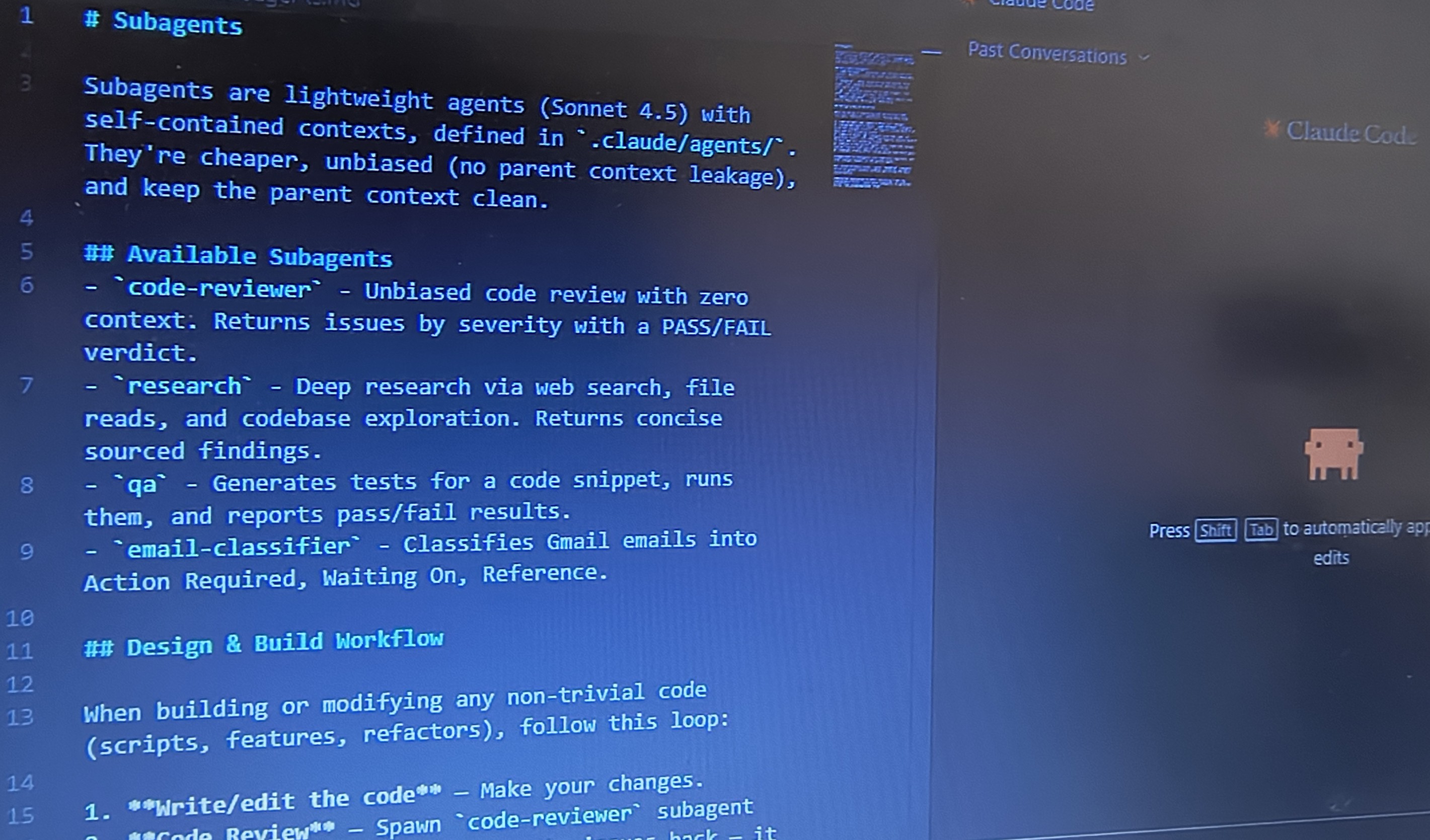
The less flattering truth is that a working product can arrive before understanding does. By June, I had built things I would once have found impossible, but I wrote privately that I had not really learned enough because I had not been involved enough. That admission mattered. AI could move faster than my mental model. It could give me the feeling of progress while allowing me to skip the friction through which understanding develops.
I do not need to build everything alone, but I do need to understand the important parts of what I build. I should be able to explain a real path through the system, reproduce a failure, and make a change without asking AI to choose every step. Otherwise I may have produced an object without earning the knowledge inside it.
Powerful tools also create their own kind of distraction. I can confuse researching with learning, experimenting with finishing, more followers with more progress, and opening a loop with closing it. My problem has rarely been a shortage of ideas. It has been choosing which idea deserves weeks of focus and staying after the excitement fades.
This reflection began as a long, imperfect voice ramble. I did not want excessive editing to remove the golden parts of lived experience. AI can help me organise what I said, but the experience, judgment and final choice of words have to remain mine.
What I am taking into twenty#
Before I tell twenty-year-old Ullas to work harder, I want to say something to the nineteen-year-old who brought me here: you did well. You started before you felt qualified. You learned to live away from home, kept returning to the people who matter, built things that crossed from a screen into real use, and admitted when your output had moved ahead of your understanding. You did not finish everything. You did not waste the year.
I do not want to turn that urgency into permanent anxiety. At twenty, “buckle down” should not mean punishing myself every day. It should mean choosing fewer things and keeping my promises to them: one primary direction, weeks of depth, code whose important parts I can explain, and loops that actually get closed. Work damn hard, but without carrying the burden of expecting every result immediately.
I also want a life larger than the screen. I want to travel more, keep looking at the sky, take more photographs that are not of a laptop, and remain present when home is full of people. I can want great things without treating today as inadequate. I can work for the future and still notice the simple fact that I am alive.
Lately, that fascination with building has been pulling me towards databases and SQLite. There is something satisfying about deciding what a system should remember, how its data should fit together, and what must still be true after something fails or restarts. It feels closer to the real engineering underneath the things I want to create—not only making another screen, but understanding the machinery that lets the whole thing keep working.
I am still at the beginning. But the best part is that this is fun.
When this is published, I will be twenty. Nothing magical will have changed. I will still have to choose what to build, what to ignore, when to work and when to look up. I believe some things arrive to test my character. I cannot choose every result, but I can choose how I meet it.
Some things will go absolutely wrong, and some will go better than I can imagine. I am okay with that as long as I know, in my heart, that I did my absolute best.
So that is the promise: show up, go deep, be kind, enjoy it while it lasts, and accept the result.
Ciao, grazie.